
How Rural Roads Differ from City Streets?
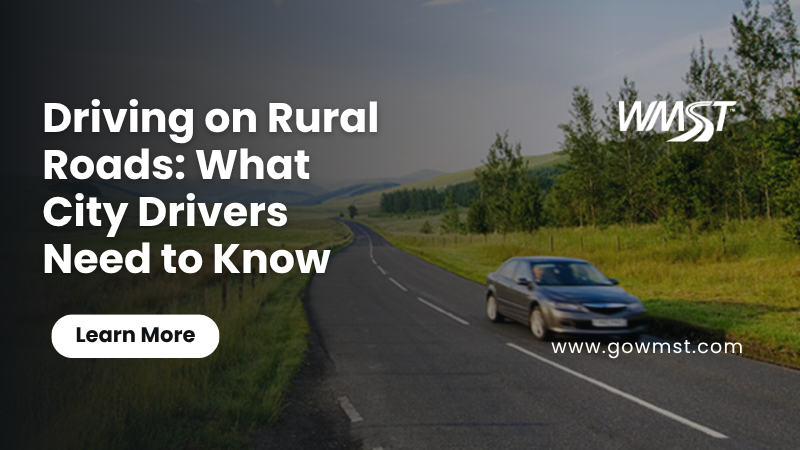
Driving on Washington’s rural roads offers scenic beauty, but also unique challenges that city drivers may not expect. Rural roads often feature narrow lanes, blind curves, uneven surfaces, and limited lighting, requiring sharper attention and refined control.
Unlike city streets, where traffic lights and signs guide most decisions, rural routes depend more on a driver’s judgment and awareness. There are fewer traffic controls and more unpredictable factors, such as farm equipment, wildlife, and sudden terrain changes.
Here’s a quick breakdown:
| Feature | City Streets | Rural Roads |
| Traffic Volume | Heavy and regulated | Light but unpredictable |
| Road Width | Wide lanes and shoulders | Narrow or uneven |
| Lighting | Well-lit | Minimal to none |
| Hazards | Pedestrians and vehicles | Wildlife and loose gravel |
| Speed Limits | Usually 25–35 mph | Often 40–55 mph, depending on conditions |
Washington drivers transitioning from city to country routes need to adapt their habits—slowing down, scanning farther ahead, and anticipating hazards before they happen.
WMST (Washington Motorist Safety Training) includes rural road driving WA sessions in its advanced lessons to help students handle these challenges safely and confidently.
Managing Speed and Sharp Curves Safely
Rural roads in Washington often include winding turns, rolling hills, and unmarked intersections that require controlled speed. Even if the posted limit is 55 mph, it’s not always safe to drive that fast.
1. Slow Before the Curve
Braking while turning increases the risk of skidding—especially on gravel or wet pavement. Instructors at WMST emphasize slowing down before entering a curve and gently accelerating as you exit to maintain stability.
2. Watch for Hidden Hazards
Tall grass, trees, or uneven terrain can obscure oncoming vehicles or animals. Maintaining a 4-second following distance gives drivers more time to respond.
3. Use Proper Lane Positioning
Stay centered in your lane, especially when navigating narrow rural paths. Avoid hugging the edge where soft shoulders could cause the car to lose traction.
4. Respect Variable Speed Limits
While rural areas may post higher limits, always adjust speed based on:
- Weather conditions (fog, rain, snow)
- Road surface (gravel, dirt, or pavement)
- Visibility (obscured sight lines, sun glare or night driving)
WMST’s instructors train drivers to read road cues and adjust speed appropriately—not just rely on signs.
Dealing with Limited Visibility and Wildlife Crossings
Rural Washington is home to deer, elk, raccoons, and other wildlife that can appear suddenly, especially at dawn and dusk. Understanding how to respond calmly is crucial for safety.
1. Use High Beams Wisely
On dark country roads, high beams improve visibility but must be dimmed when approaching other vehicles. WMST teaches students how to manage headlights for maximum visibility without blinding others.
2. Spotting Animal Eyes
At night, animal eyes reflect headlights. If you see a reflection, slow down immediately, animals often move unpredictably.
3. Handling an Animal Encounter
If an animal crosses your path:
- Brake firmly without swerving.
- Maintain control and stay in your lane.
- Pull over safely if the animal remains on the road.
- If contact with a large animal is inevitable and you have the mind to react, come off the brakes just prior to impact to reduce the likelihood of the animal being direct back at your windshield.
Swerving to avoid an animal often leads to worse outcomes, like losing control or colliding with another vehicle.
4. Dealing with Dust, Fog, or Glare
Rural routes can include dusty fields or morning fog. Always use low beams in fog, keep a clean windshield, and slow down until visibility improves.
WMST’s Rural Route Training for All Drivers
WMST understands that mastering rural road driving WA skills is an important part of becoming a confident, well-rounded driver. Many students learn to drive in urban environments but need extra experience handling isolated, unmarked, or unpredictable roads found outside cities.
What WMST Covers in Rural Training:
- Navigating sharp turns and elevation changes
- Adjusting speed for gravel and mixed surfaces
- Managing low-visibility conditions safely
- Recognizing and reacting to wildlife or farm equipment
- Understanding rural intersections and right-of-way rules
- Anticipating unseen hazards and planning in advance
Students practice real-world routes, under the supervision of certified instructors. WMST ensures every learner experiences the contrast between urban and rural driving, so they’re ready for any environment across Washington.
FAQs
Are rural roads part of the WA driving test?
Not typically, but WMST includes rural-style routes in training to prepare drivers for every condition they may face after testing.
What should I do if I encounter animals on the road?
Slow down and stay in your lane. Don’t swerve suddenly. If it’s safe, stop and allow the animal to pass before continuing.
How do I safely handle dirt or gravel roads?
Maintain a steady, slower speed. Avoid sudden braking or acceleration, and keep a light grip on the steering wheel to control traction.
Are speed limits different in rural areas?
Yes. Rural roads can have limits up to 50 mph unless otherwise posted, but always adjust based on visibility, surface, and weather. Drive slower if conditions are uncertain.
Does WMST provide training outside city areas?
Yes. WMST offers specific rural road driving practice routes that teach safe navigation in less-structured environments.
Conclusion
Driving through Washington’s countryside requires awareness, adaptability, and respect for nature’s unpredictability. While city roads rely on traffic systems to guide drivers, rural routes test judgment and focus.With WMST’s rural road driving WA lessons, students gain an understanding of how to navigate winding roads, changing surfaces, and unexpected obstacles. The result? Safer, smarter, and more confident drivers who can handle both the city commute and the open country roads of Washington with ease.
 EN
EN  ES
ES  RU
RU  FR
FR  JA
JA  AR
AR  VI
VI