
How to Handle Tire Blowouts and Vehicle Failures Safely?

How to Handle Tire Blowouts and Vehicle Failures Safely?
We often train for the predictable parts of driving: stop signs, lane changes, and parking. But what happens when the car itself fails you? A tire blowout or sudden engine failure at highway speeds is terrifying, but survival isn’t about luck—it’s about physics and instinct control. For Washington drivers, knowing how to manage emergency vehicle […]

How to Safely Drive on Gravel Roads in Washington?
Washington State is famous for its natural beauty, but getting to the best hiking trails, campsites, or rural homes often means leaving the pavement behind. For a driver accustomed to the consistent grip of asphalt, driving on gravel roads in WA presents a unique set of challenges. The sensation of the car "floating" or sliding can be terrifying for beginners. However, safe gravel driving is simply a matter of physics and patience. By adjusting your speed and smoothing out your inputs, you can navigate loose surfaces with confidence. This guide explains the mechanics of low-traction handling and how to keep your vehicle under control when the pavement ends. Challenges of Loose Surfaces for Beginners Driving on gravel is often compared to driving on "marbles over glass." Because the stones roll beneath your tires, your traction is significantly reduced compared to pavement. Increased Stopping Distance: It takes much longer to stop on gravel. Hitting the brakes hard often causes the tires to lock up and slide over the rocks rather than gripping them. Dust and Visibility: In dry WA summers, the car in front of you will kick up a massive dust cloud, reducing visibility to near zero. Variable Surface: Gravel roads change constantly. One section might be hard-packed dirt, while the next is loose, deep gravel that pulls the steering wheel from your hands. Maintaining Control During Turns and Braking The golden rule of gravel is: Do one thing at a time. You should not brake and turn simultaneously. Brake in a Straight Line: Apply your brakes firmly (but not suddenly) while you are still moving straight before you reach the curve. Coast the Corner: Smoothly ease off the brakes as you turn into the corner. This keeps the suspension stable, maximizing theavailable grip for steering. Accelerate Out: Once the car is straightened out, gently apply the gas to exit the turn. This weight transfer helps settle the rear of the vehicle. How to Avoid Skidding and Loss of Traction Skids happen when you ask the tires to do more than the surface allows. Speed control is your primary defense. Find the "Groove": On established gravel roads, you will see two compacted tire tracks worn into the surface. Drive in these tracks (ruts) whenever possible. They offer better grip than the loose gravel on the shoulders or the center "crown" of the road. Smooth Inputs: Avoid jerky steering or stomping on the pedals. Imagine there is a cup of hot coffee on your dashboard; drive smoothly enough not to spill it. Increase Following Distance: Stay at least 6 to 8 seconds or more behind the vehicle ahead. This protects your windshield from flying rocks and keeps you out of their dust cloud. WMST Gravel Road Training Techniques While we don't take students off-roading in 4x4s, WMST off-road lessons concepts are integrated into our advanced curriculum through low-traction principles. Physics of Grip: We teach students how weight transfer affects traction. Understanding that "braking shifts weight forward" helps you utilize increased traction in the front to help the vehicle steer into the corner. Vision Control: On unpredictable surfaces, looking ahead is vital. We train you to scan for potholes, washboards (ripples in the road), and soft shoulders seconds before you hit them. ABS Management: We teach students what it feels like when the Anti-lock Braking System (ABS) activates on loose surfaces, ensuring they don't panic and release the brake when they feel the pedal shudder. Frequently Asked Questions (FAQs) How slow should I go on gravel? Ignore the posted speed limit if it feels too fast. A safe speed on gravel is often half of what you would drive on pavement. If the car feels like it is "floating" or steering feels light, you are going too fast. Can I practice skidding safely? Skid control should only be practiced in a designated professional environment, like a skid pad or car control clinic. Never practice skidding on public gravel roads, as you risk sliding into ditches or oncoming traffic. Are gravel roads part of the driving test? Typically, no. Most DOL testing routes stick to paved residential and arterial streets. Does WMST provide hands-on gravel driving? Our standard curriculum focuses on paved road safety. However, the principles of low-traction handling we teach (smooth steering, threshold braking, vision) are the exact skills required for safe gravel driving. How can beginners maintain lane discipline? Gravel roads rarely have painted lines. Treat the center of the road as an imaginary line. Keep to the right side, especially on crests of hills or blind corners, to avoid colliding with farm equipment or other vehicles coming the other way

Washington State is famous for its natural beauty, but getting to the best hiking trails, campsites, or rural homes often means leaving the pavement behind. For a driver accustomed to the consistent grip of asphalt, driving on gravel roads in WA presents a unique set of challenges. The sensation of the car “floating” or sliding […]

How to Navigate One-Way Streets Safely in WA
How to Navigate One-Way Streets Safely in WA

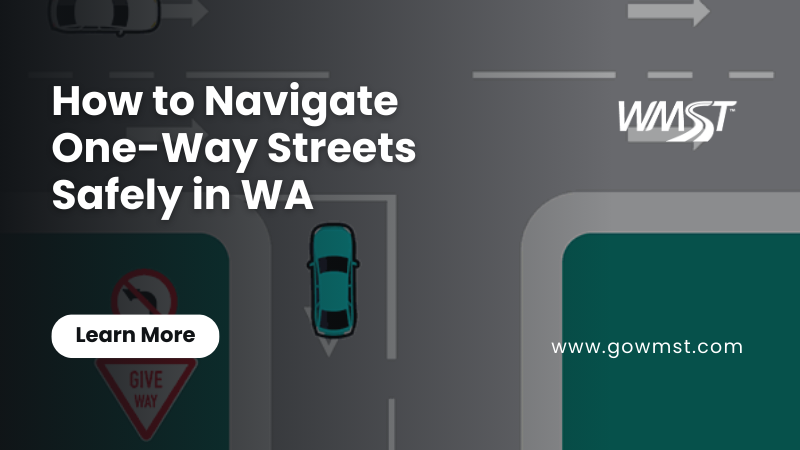
For drivers accustomed to suburban two-way roads, entering a downtown area like Seattle or Everett can be disorienting. Suddenly, half the streets are moving in only one direction, and missing a sign can lead to a dangerous “Wrong Way” situation. Navigating these urban canyons requires specific observation habits and rule knowledge. From choosing the correct […]

How to Handle Left and Right Lane Changes on Busy WA Roads
How to Handle Left and Right Lane Changes on Busy WA Roads

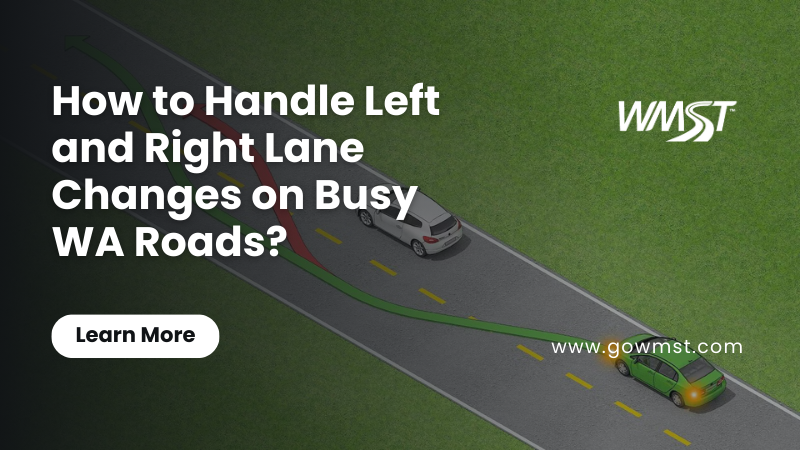
For many learner drivers, the instruction “Please change lanes to the left” causes an immediate spike in heart rate. On busy Washington arterials like Highway 99 or the fast-moving I-5, finding a gap in traffic can feel impossible. However, a lane change is a structured maneuver, not a leap of faith. By breaking the process […]

How to Navigate Busy Intersections Safely in Washington
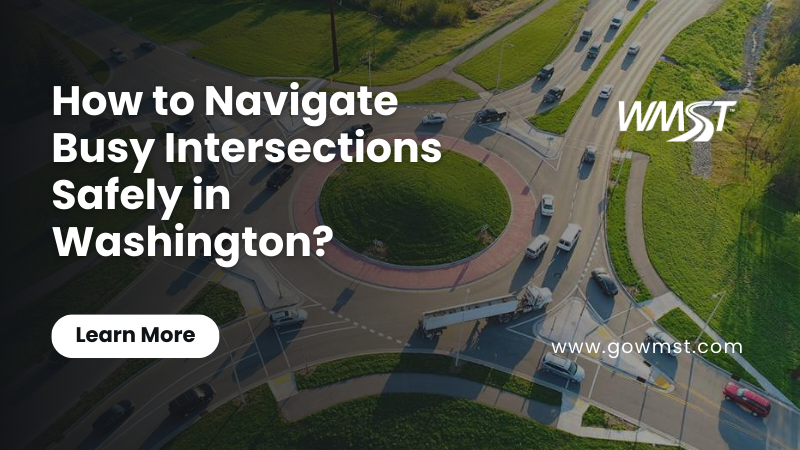
How to Navigate Busy Intersections Safely in Washington

Intersections are the “decision hubs” of the road. They are where vehicle paths cross, pedestrians step out, and traffic laws are put to the ultimate test. In Washington State, nearly 30% of all serious traffic collisions occur at intersections. For learner drivers, these areas can feel chaotic. However, chaos is just a pattern you haven’t […]

How to Handle Sudden Obstacles: A Beginner’s Guide to Quick Road Reactions
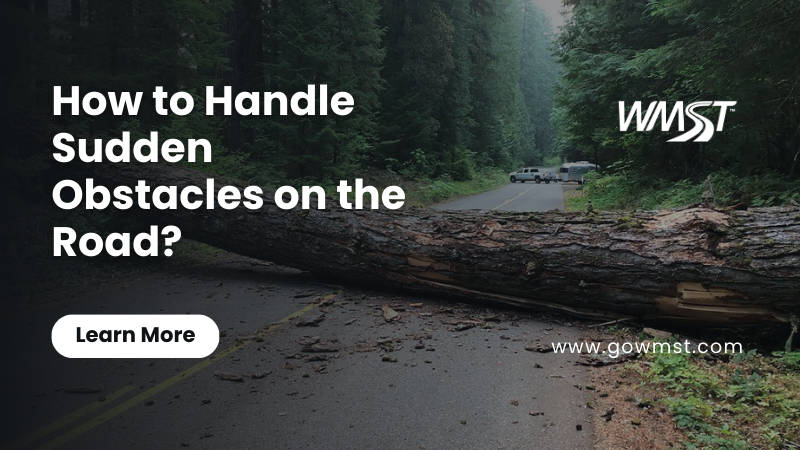
How to Handle Sudden Obstacles: A Beginner’s Guide to Quick Road Reactions

Driving is predictable—until it isn’t. A deer darting from the woods, a ball rolling into the street, or a ladder falling off the truck ahead can transform a calm commute into an emergency in milliseconds. For new drivers, these moments are the ultimate test. Without the muscle memory that comes from experience, panic often takes […]

Managing Multi-Lane Roads: A Beginner’s Guide to Staying in Control
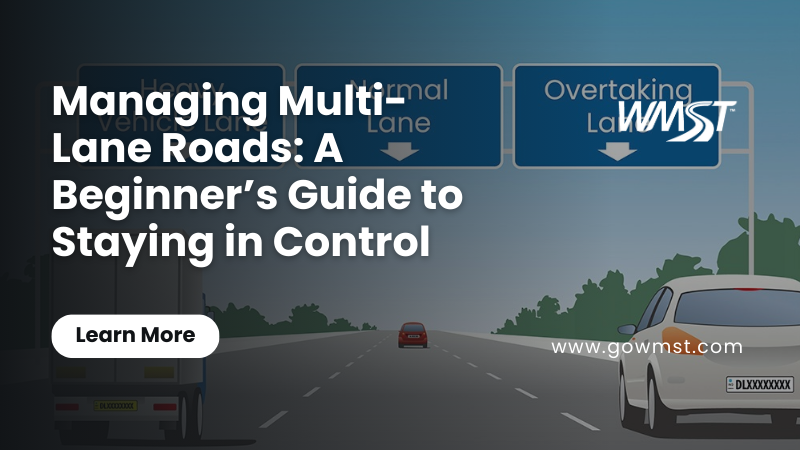
Managing Multi-Lane Roads: A Beginner’s Guide to Staying in Control

Moving from quiet residential streets to busy arterials (like 196th St or Highway 99) is one of the biggest leaps a learner driver makes. Suddenly, you aren’t just watching the car in front of you; you have cars beside you, behind you, and merging into you. For many, the sheer volume of information feels chaotic. […]

The Art of Coasting: How to Slow Down Safely Without Overusing Your Brakes
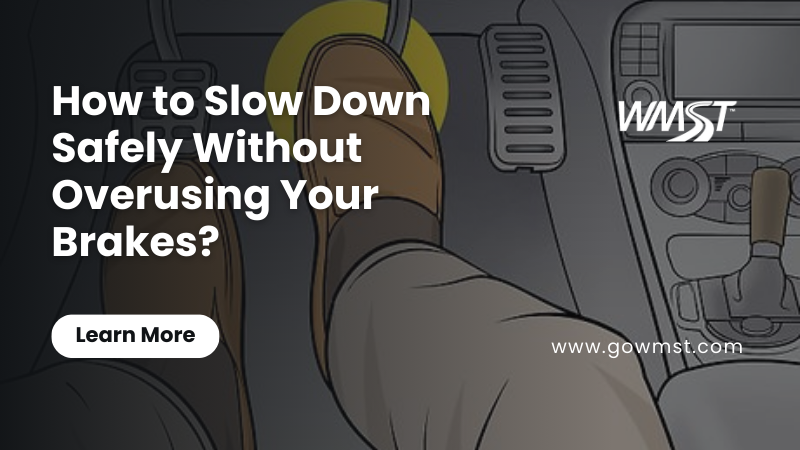
Overusing Your Brakes

If you watch a professional driver or a seasoned chauffeur, you will notice something interesting: their brake lights rarely flash on the freeway. Instead of constantly switching between gas and brake, they use a technique called “coasting” (or deceleration) to manage their speed smoothly. In Washington, where traffic can slow down suddenly due to rain […]

How to Read the Road Like a Pro: Developing Predictive Driving Skills
How to Read the Road Like a Pro: Developing Predictive Driving Skills

There is a significant difference between a driver who constantly slams on their brakes and one who glides through traffic untouched. The difference isn’t just luck—it is predictive driving. While standard driver education teaches you how to react to problems, predictive driving training WA courses teach you how to see them before they even happen. […]

Why Most Learners Struggle with Intersections, And How WMST Fixes It?
Why Most Learners Struggle with Intersections, And How WMST Fixes It?

Navigating intersections safely is statistically one of the hardest skills for new drivers to master. In fact, “Failure to Yield” is a leading cause of automatic failure on the Washington State Skills Test. Why are intersections so difficult? They are dynamic environments where the rules change based on timing, signals, and the presence of other […]

en_USEN